Best 60 Edgar Thick Hair Styles & Ultimate Styling Guide [Pro Tips]
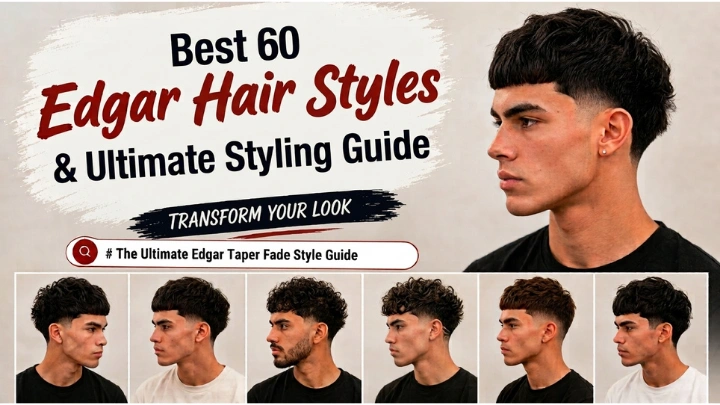
Thick hair gives the Edgar Thick Hair look something most other textures can’t — real structure and staying power.
The fringe holds its shape longer, and the volume on top makes every fade look sharper.
This guide breaks down 60 Edgar variations built specifically for thick hair, plus how to choose, style, and maintain the look properly.
What Is Edgar Thick Hair?

Edgar thick hair refers to the classic Edgar haircut adapted specifically for dense, high-volume hair strands.
Thick strands hold the blunt fringe shape better than fine hair, but they also need extra thinning to avoid looking bulky.
Flat vs. Fluffy Edgar Thick Hair

A flat Edgar is combed down for a sleek, controlled finish, while a fluffy version lets thick strands lift naturally for extra volume on top.
Thick hair actually supports both looks well since it has enough density to hold either style without falling flat.
Fine vs. Thick Hair Edgar Comparison

Fine hair often needs added texture or product just to create the illusion of volume in an Edgar cut.
Thick hair skips that step entirely — it naturally provides the fullness that fine hair has to fake.
Edgar vs. Coarse Hair Cuts

A coarse-hair Edgar holds its blunt fringe with sharp precision, while other cuts on coarse strands often need extra product just to stay in place.
This makes the Edgar one of the lowest-maintenance choices for naturally coarse, thick hair.
Wavy vs. Straight Edgar Thick Hair

A wavy Edgar lets natural movement soften the fringe line, while a straight-hair Edgar keeps that same line crisp and razor-sharp.
Both work well on thick strands, but the final look depends entirely on your natural texture
Short vs. Long Edgar Thick Hair

A shorter Edgar length reduces bulk and cuts down on daily styling time, while a longer length lets thick hair show off more natural volume and texture.
Your barber can help decide based on how much upkeep you’re willing to do
60 Edgar Thick Hair Styles
Edgar’s thick hair opens up dozens of ways to wear this cut. Here are 60 variations worth bringing to your barber.
Crop Edgar Thick Hair

This version trims the top shorter and closer to the head, reducing bulk while keeping the fringe defined.
It’s a practical choice for men whose thick hair tends to feel heavy in longer styles.
Curly Top Edgar Cut

Natural curls sit above tapered sides, giving Edgar Thick Hair a defined shape while letting coiled strands show their full pattern.
The added texture works especially well with thick hair, as curls need volume to look intentional rather than flat.
Fluffy Texture for Edgar Hair

Extra volume on top creates a softer, more youthful silhouette while keeping the sharp fringe intact underneath.
Edgar Thick Hair holds this fluffy shape well, giving thick hair a fuller look without constant touch-ups.
Edgar Taper Fade

A gradual Edgar Taper Fade blends the sides smoothly, reducing the bulk that thick hair often carries near the ears.
This is one of the most requested combinations because it balances volume on top with a clean finish below.
Burst Fade with Edgar Style

The fade curves around the ear instead of running in a straight line, adding a rounded, custom detail.
Thick hair handles this fade well since there’s enough density to create clear contrast against the skin.
Edgar with Wolf-Cut Layers

Choppy, layered texture is worked into the top section while the signature fringe stays sharp and defined.
This Edgar Thick Hair look gives thick hair extra movement without losing the structured Edgar silhouette underneath.
French Crop Edgar Variation

A forward-styled top blends with the Edgar’s straight fringe for a slightly softer, more textured finish.
Thick hair naturally supports the crop’s fuller shape better than thin strands would.
Edgar Mullet Look

Extra length is kept at the back while the front maintains the classic blunt fringe and tapered sides.
This Edgar Thick Hair variation uses the natural volume at the back to hold shape, making the mullet contrast stand out clearly.
Low Fade Edgar Cut

The fade begins just above the ears, keeping more length on the sides for a subtler transition.
This works well for thick hair that needs a gentler fade to avoid looking too severe.
Edgar Brush Up Style

Hair on top is brushed upward and slightly forward, adding lift right above the fringe line.
Thick strands hold this lifted shape far better than fine hair, which tends to collapse quickly.
Shadow Fade for Edgar Hair

A soft, diffused fade blends gradually instead of using a sharp guideline, creating a more natural transition.
It suits Edgar Thick Hair especially well, with enough volume on top to contrast nicely against the subtle fade.
Choppy Fringe Edgar Look

The front fringe gets a slightly uneven, textured edge instead of a perfectly straight line.
This softens the classic Edgar shape while still keeping thick hair’s natural fullness on display.
Edgar Straight Hair Cut

Naturally straight, thick strands hold the blunt fringe with exceptional precision and minimal styling effort.
This combination creates one of the cleanest, sharpest versions of the Edgar available.
Afro Fade Edgar Design

Natural afro texture is paired with a high or skin fade, letting the volume on top take center stage.
Edgar Thick Hair provides the density needed to make this bold combination really stand out.
Wavy Hair Edgar Style

Natural waves add subtle texture to the fringe without disrupting the overall Edgar silhouette.
Thick wavy hair holds this shape especially well since the added density keeps waves from going flat.
Voluminous Curly Edgar

Curls are left long and full on top, creating maximum volume above a clean tapered base.
This Edgar Thick Hair variation is one of the boldest options and works best on genuinely thick, curl-prone hair.
Messy Layers in Edgar Cuts

Layered texturizing creates a deliberately undone look while the front fringe stays recognizable.
Thick hair supports this messy layering without looking thin or patchy in certain sections.
Medium Length Edgar Style

Keeping slightly more length overall gives Edgar Thick Hair room to show its natural texture and weight.
This version works well for men who want the Edgar shape without an overly cropped feel.
Edgar Blowout Taper

A round brush and blow dryer lift the front section for extra height and drama above the fringe.
Thick hair is ideal for this technique since it has the mass needed to hold a blowout shape.
Edgar with Curtain Fringe

The front section is softly parted down the middle, echoing curtain bangs while keeping Edgar-style tapered sides.
Edgar Thick Hair holds this split shape well without needing heavy product to keep each side in place.
Edgar with Cropped Sides

Very short sides create sharp contrast against a fuller, thicker top section and defined fringe.
This high-contrast look is popular because it makes even subtle volume look more dramatic.
Undercut Edgar Variation

A disconnected undercut creates a bold jump between very short sides and a much longer top.
Edgar Thick Hair makes this contrast especially striking, with the fuller top standing out against the closely cut sides.
Edgar Mid Fade Style

The fade starts around the middle of the head, offering balance between subtle and dramatic fading.
It’s one of the most versatile choices for thick hair since it suits nearly every face shape.
Drop Fade Edgar Cut

The fade line curves downward behind the ear instead of staying level, creating a softer finish.
Thick hair handles this curved fade well, giving the cut a more custom, tailored appearance.
Textured Fringe Edgar Design

Texturizing scissors break up the front line slightly, adding movement without losing the Edgar shape.
This Edgar Thick Hair approach works especially well for dense hair that can look overly heavy with a perfectly blunt cut.
Edgar with Mod-Style Fringe

A slightly longer, rounded fringe echoes vintage mod styling while keeping tapered sides underneath.
Thick hair gives this retro-inspired fringe the fullness needed to really stand out.
Edgar with Shaved Side Design

Geometric shaved lines are added into the fade, giving the cut a personalized, artistic detail.
Thick hair on top creates strong visual contrast against the crisp, clean-shaven pattern below.
Choppy Edgar Crop

Short, choppy layers replace a smooth finish, giving thick hair a more textured, lived-in appearance.
This variation requires less precise styling, making it a practical daily option.
Edgar with Comb-Over Sweep

The top section is combed gently to one side while the fringe line stays mostly intact at the front.
Edgar Thick Hair holds this subtle sweep in place throughout the day without much touch-up.
Edgar with Split Fringe

The fringe is parted into two sections rather than sitting as one solid line across the forehead.
This creates a slightly softer look while thick hair keeps each side full and defined.
Edgar Ivy League Style

Slightly longer length on top pairs with the tapered sides for a clean, professional finish.
Thick hair fills out this classic combination nicely, avoiding the thin, flat look fine hair sometimes gets.
Two Block Edgar Style

Dramatically shorter sides sit beneath a noticeably longer, fuller top section for maximum contrast.
Edgar Thick Hair is ideal here because the top needs enough volume to emphasize the sharp height difference.
Layered Cut for Edgar Hair

Multiple layers are cut into the top to reduce bulk while preserving overall length and shape.
This technique is especially helpful for very thick hair that feels heavy in one solid length.
Edgar with Angled Fringe

The front line is cut at a slight diagonal instead of perfectly straight across the forehead.
Thick hair holds this angled shape crisply, making the asymmetry look intentional rather than uneven.
Edgar with Lifted Crown

Extra height is styled into the crown area, adding drama above an otherwise standard Edgar base.
Thick hair provides the natural support needed to keep this lift standing throughout the day.
Spiky Hair Edgar Cut

Short sections on top are styled upward into defined spikes while the fringe stays sharp at the front.
This works particularly well on thick hair since spikes need density to hold their shape.
Edgar with Pompadour Volume

Hair is swept up and back at the crown, adding noticeable height above the classic fringe line.
Thick strands are what make this dramatic lift physically possible without heavy styling products.
Edgar Shortened Fringe

The front section is trimmed slightly shorter than a traditional Edgar, sitting higher above the eyebrows.
Thick hair keeps this shorter fringe from looking thin, maintaining a full, structured line.
Shaggy Hair in Edgar Design

Loose, textured layers give the top a relaxed, slightly unkempt feel while the fringe remains defined.
Thick hair naturally creates the fullness this shaggy texture depends on for its casual appeal.
Edgar Messy Fringe

The front line is deliberately tousled rather than combed flat, softening the classic sharp edge.
This variation suits thick hair that already has natural texture to work with.
Edgar Bowl Cut Style

A rounder, fuller shape mimics bowl-cut proportions while keeping the signature straight fringe intact at the front.
Thick hair fills out this rounded silhouette evenly, avoiding thin patches along the edges.
High Fade Edgar Style

The fade starts high near the temples, creating maximum contrast against the fuller top section.
Thick hair makes this bold contrast especially noticeable compared to thinner, less voluminous cuts.
extured Quiff Edgar Cut

The front section is lifted and pushed slightly back, blending quiff styling with Edgar’s signature fringe shape.
Thick hair holds this lifted quiff shape confidently without collapsing by midday.
Edgar with Tied-Back Hair

Longer top sections are gathered and tied back, while shorter layers underneath maintain a fringe-like frame.
This option suits thick hair that’s been grown out longer than a typical Edgar length.
Temple Fade Edgar Haircut

The fade focuses specifically around the temple area, creating a clean frame around the face.
Thick hair benefits from this targeted fading since it reduces bulk exactly where it tends to build up.
Edgar Faux-Hawk Sides

Sides are tapered close while the center section is styled slightly upward, echoing a faux-hawk shape.
Thick hair provides the structure needed to keep this center lift standing throughout the day.
Curly Taper Edgar Cut

Natural curls sit above a smooth taper fade, letting texture and structure work together seamlessly.
This is one of the most requested combinations for thick, curly hair types specifically.
Edgar Relaxed Flow Style

Hair on top is left slightly longer and loosely styled, creating an easygoing, natural movement.
Thick hair supports this relaxed flow without needing heavy product to maintain shape.
Side Swept Edgar Hair

The top section sweeps gently to one side while the fringe still frames the forehead clearly.
Thick hair holds this swept direction well, resisting the urge to fall back to center.
Edgar Beach-Textured Waves

Salt spray or texturizing product is used to create loose, wave-like movement across the top.
Thick, wavy hair takes to this beachy texture naturally, needing minimal extra styling effort.
Disconnected Edgar Haircut

A sharp contrast is created between the top length and closely shaved sides with no gradual blend.
Thick hair on top makes the disconnection especially bold and easy to notice at a glance.
Edgar Razor Fringe

A straight razor is used to define the fringe edge instead of standard clippers or scissors.
This technique creates an exceptionally crisp line that thick hair holds particularly well.
Angular Fringe Edgar Cut

The fringe is cut with sharper, more geometric angles rather than a simple straight line.
Thick hair supports these defined angles clearly, since there’s enough density to hold each line’s shape.
Edgar Skin Fade for Thick Hair

The sides fade all the way down to bare skin, creating maximum contrast against a full top.
This is one of the boldest pairings for thick hair, emphasizing volume through sharp contrast.
Edgar Low Taper Fade

A subtle taper begins low near the ears, offering a softer, more conservative transition on the sides.
Thick hair pairs well with this understated fade for versatile, everyday styling.
Edgar Hard Part Haircut

A shaved line creates a defined part instead of a natural comb part, adding a sharp custom detail.
Thick hair holds the shape on either side of the line cleanly without drifting throughout the day.
Edgar Shaved Design Cut

Custom patterns or lines are shaved into the fade, turning a standard cut into a personalized statement.
Thick hair above the design creates strong visual contrast that makes the pattern stand out more.
Long Fringe Edgar for Thick Hair

The front section is left noticeably longer, sitting closer to the eyebrows for a bolder statement.
Thick hair keeps this longer fringe full and structured instead of thin or wispy.
Edgar Slick Back Taper

Hair is combed straight back from the fringe area, revealing height while tapered sides stay clean underneath.
Thick hair provides the grip needed for this slicked shape to hold throughout the day.
Edgar Textured Quiff for Thick Hair

A textured, lifted front section combines quiff height with visible strand definition throughout.
This variation showcases thick hair’s natural texture better than a smooth, flat quiff would.
Choose Edgar Thick Hair
Picking the right Edgar thick hair style depends on more than just personal taste — hair type and face shape both play a role
By Face Shape
Round faces often look sharper with higher fades, while longer faces benefit from extra volume on top.
Square and oval faces tend to suit nearly any Edgar variation without restriction.
By Hair Texture
Straight hair holds the classic blunt fringe with precision, while curly or wavy hair adds natural texture and movement.
Knowing your texture helps your barber recommend the right length and thinning technique.
By Coarse Thick Hair
Coarse strands need extra thinning to prevent the top from looking boxy or overly heavy.
Ask your barber specifically about texturizing shears rather than a standard scissor-over-comb technique.
By Wavy Thick Hair
Wavy thick hair benefits from styles that let natural movement show instead of forcing a flat finish.
Textured or messy fringe variations tend to work better here than a perfectly straight line.
By Thick Hair Strands
Individual strand thickness affects how much product you’ll need — thicker strands often require slightly more hold.
A lightweight clay or paste usually works better than heavy gels for controlling dense hair.
By Short Thick Hair
Shorter Edgar variations reduce bulk significantly, making daily styling faster and more manageable.
This is a practical choice for men who want the look without a lengthy morning routine.
By Curly Thick Hair
Curly thick hair pairs especially well with variations that leave more length on top to show a natural curl pattern.
Low or mid fades tend to complement curls better than very high, dramatic fades.
Edgar Thick Hair Tutorial
Step-by-Step Edgar Thick Hair Guide
This video breaks down the full process of creating an Edgar cut on thick hair, from sectioning to final detailing.
Watching each step in real time makes techniques like thinning and fringe placement far easier to understand than reading alone
Step 1: Prep the Hair Wash and condition the hair to remove buildup, then towel-dry until it is slightly damp.
Step 2: Brush Through Use a vent brush to detangle the hair and start the taming process for easier control.
Step 3: Define the Shape Determine your desired Edgar style, ensuring the top remains thick while preparing the sides.
Step 4: Trim the Sides Use clippers to trim the sides down, keeping the length consistent for your specific fade.
Step 5: Clean Up the Back Neatly trim the back to ensure a clean, sharp look that balances the thickness of the top.
Step 6: Execute the Fade Apply a low or mid-fade on the sides and back to contrast with the thick hair on top.
Step 7: Blend Seamlessly Blend the transition between the faded sides and the thick top to avoid any harsh lines.
Step 8: Shape the Fringe Bring the hair forward towards the forehead to form the classic, straight-across Edgar fringe.
Step 9: Apply Styling Cream Use a dime-sized amount of styling cream to tame frizz and lock in the thick hair’s shape.
Step 10: Finish the Look Finalize the style by gently scrunching or smoothing the hair to ensure a clean, matte finish.
Edgar Thick Hair Tools & Products
Thinning shears are essential for reducing bulk without sacrificing length, especially on coarse or dense strands.
A wide-tooth comb prevents breakage while detangling, and a lightweight clay or matte paste controls shape without weighing hair down.
Essential Hair Products
The right best hair care products for thick hair keep strands smooth and easy to manage. A good best styling product for thick hair pick controls volume without the heavy feel.
Hair Growth & Masks
For strengthening heavy hair, incorporating a thick hair growth shampoo, vitamins for thick hair, and a thick hair mask works wonders.
Taking the right supplement for thick hair and eating proper food for thick hair growth will nourish your hair from within.
Styling Tools & Oils
To style your hair effortlessly, make sure to use the best thick hair brush, best flat iron for thick hair, and best hair dryer for thick hair.
Additionally, applying the best oil for thick hair growth and hair serum thick hair will give your hair a brilliant shine and smooth finish.
Edgar Thick Hair Maintenance
Keeping a thick-hair Edgar sharp requires slightly more attention than thinner hair types, but the routine stays simple.
Trim Schedule
Most men need touch-ups every two to three weeks since thick hair tends to grow out faster in visible bulk.
Waiting longer often causes the fringe to lose its defined edge and the fade to look grown out.
Control Hair Bulk
Regular thinning appointments prevent the top from becoming too heavy or difficult to style over time.
Ask your barber to focus thinning shears specifically where hair tends to pile up most.
Styling Tip: Work a small amount of matte clay through the top to reduce bulk, define the shape, and keep the natural volume of thick hair.
Maintain the Fringe
A fine-tooth comb helps keep the blunt line sharp between full haircuts.
Light trims at home can extend the time between barber visits if done carefully.
Keep the Fade Clean
Fades on thick hair grow out more noticeably, so regular clipper touch-ups keep the contrast crisp.
A cordless trimmer at home works well for quick edge maintenance between appointments.
Daily Styling Tips
A small amount of product goes further on thick hair than most people expect, so start light and build up.
Applying the product to slightly damp hair distributes it more evenly than on completely dry strands.
Edgar Thick Hair FAQs
Still have questions about styling an Edgar cut on thick hair? Here are quick, straightforward answers to the ones people ask most.
What fade works best for thick hair?
Mid and high fades tend to work best since they create clear contrast against thick hair’s natural volume.
Which haircut is best for thick hair?
The Edgar cut is particularly well-suited since thick hair holds its blunt fringe and tapered shape with precision.
Quick Tip: Choose an Edgar with tapered or faded sides to remove excess bulk while keeping enough length on top for natural volume, texture, and a clean, defined fringe.
Is short hair good for thick hair men?
Yes, shorter styles reduce bulk and make daily maintenance significantly easier for men with dense hair.
Are fades good for thick hair?
Fades work especially well on thick hair because the contrast between volume and closely cut sides looks sharper.
How can I style my thick hair?
Use lightweight products like clay or paste, apply to damp hair, and avoid heavy gels that can weigh strands down.
Best Edgar cut for thick hair?
A taper fade Edgar tends to be the most versatile choice, balancing volume on top with a clean, manageable finish.
Quick Tip: Try a taper fade Edgar to keep the sides clean and controlled while preserving enough volume and texture on top for a sharp, balanced finish.
Do Edgar cuts manage thick hair?
Yes, the structured fringe and faded sides help control thick hair’s natural volume better than many looser styles.
Edgar fade maintenance tips?
Schedule touch-ups every two to three weeks and use a cordless trimmer at home to keep the fade line clean between visits.
Final Verdict: Is Edgar Thick Hair Worth It?
Thick hair and the Edgar cut genuinely complement each other — the natural volume gives the style structure that thinner hair often struggles to achieve.
It does require slightly more maintenance, particularly around thinning and fade upkeep, but the payoff is a sharp, long-lasting look.
Bring reference photos to your barber, be specific about your hair’s density, and don’t hesitate to try one of these 60 variations to find your perfect match.
![45 Best Curly Edgar Haircuts for Men [2026 Styles + Tips]](https://edgarhaircutstyle.com/wp-content/uploads/2026/08/45-Best-Curly-Edgar-Haircuts-for-Men-2026-Styles-Tips-1-768x432.webp)