42+ Classic Edgar Haircuts {Timeless Styles & Ideas for 2026}
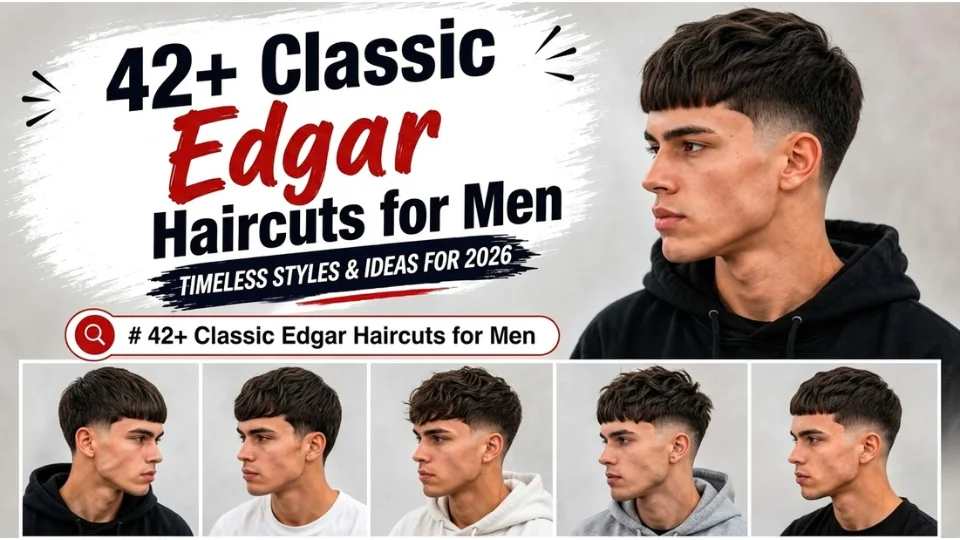
The Classic Edgar Haircut has moved from neighborhood barbershops to phone screens around the world. Its thick, blunt fringe and neat sides make a bold statement, yet the shape stays simple enough to wear every day. That balance explains why the style keeps returning season after season.
This guide covers what separates the original Classic Edgar Haircut from its many spin-offs, then walks through 42+ styles you can show your barber. You will also find a tutorial, product advice, upkeep routines, tips for choosing the right version, and quick answers to common questions.
What Is a Classic Edgar Haircut?

A Classic Edgar Haircut is a clean and distinctive men’s hairstyle known for its short, sharp sides and a straight, defined fringe across the forehead. The top is usually kept short and textured, while the sides and back are tapered or faded to create a neat contrast.
This style has a bold yet simple appearance, making it easy to recognize and maintain. The Classic Edgar Haircut can also be adjusted to suit different hair types and personal preferences, which is why it remains a popular choice for a modern, low-maintenance look.
Classic Edgar Haircut vs. Other Edgar Styles

The original Edgar is defined by a heavy, straight-cut fringe and short, tidy sides. Newer versions add volume, curls, fades, or color on top of that base. Understanding the differences helps you ask for exactly what you want, and avoid walking out with something unexpected.
The Origin and Meaning Behind the Classic Edgar vs. Other Edgar Styles

The look grew out of Latino barbershop culture, especially in Mexican-American communities, where clean edges and a strong fringe became a point of pride.
Later variations borrowed that core idea and mixed in fades, waves, and fluffy texture. The original stays simpler, focusing on shape and symmetry.
Why Do People Call It the Edgar Haircut vs. Other Names?

The Classic Edgar Haircut name spread mostly through social media and word of mouth, and it is sometimes used playfully or even as a joke.
Other terms include takuache cut, bowl-style cut, and cub cut. Barbers often use these names loosely, so bringing a photo is always the safest way to communicate the exact style you want.
Key Characteristics of the Classic Edgar vs. Other Edgar Cuts

A true Classic Edgar Haircut has a straight fringe sitting above the eyebrows, a fuller top, and sides kept short with clippers. The lines are crisp and the shape is balanced. This timeless style creates a clean, structured look without being overly complicated.
Other versions may loosen the fringe, add height, or introduce heavy fade patterns that change the overall mood.
Edgar Low Taper Fade Receding VS Classic Edgar Haircuts

The Edgar Low Taper Fade Receding and 42+ Classic Edgar Haircuts offer two different ways to wear the iconic Edgar look. The low taper fade creates a cleaner, more gradual finish around the sides and back, while classic Edgar styles focus more on the distinctive textured top and defined front.
If you are choosing between these looks, consider your preferred fade, hair texture, and the overall style you want to achieve.
Who Does the Classic Edgar Haircut Suit Best vs. Other Styles?

It flatters thick, straight, or slightly wavy hair, since those textures hold a clean line naturally. Oval and square faces carry it especially well. People with very fine hair or strong curls may prefer a fluffy or textured variation that works with their natural pattern.
How to Maintain and Style Your Classic Edgar vs. Other Edgar Styles

The original needs regular trims to keep the fringe even and the sides sharp, but daily styling is light. A little matte product and a quick comb usually do the job. Fluffier and curlier versions demand more moisture and shaping, which adds time to your routine.
42 Classic Edgar Styles You’ll Want to Try in 2026
Looking for a haircut that feels sharp, modern, and easy to maintain? The Classic Edgar Haircut is known for its bold fringe, clean sides, and simple shape that works across different hair types and personal styles. Whether you prefer a short, textured, or slightly longer look, there are plenty of ways to make this timeless cut your own.
In this guide, we’ve rounded up 42 Classic Edgar styles you can try in 2026, along with ideas to help you find the right variation for your hair and style.
Classic Blunt Fringe Edgar Haircut

This is the original template: a straight fringe cut cleanly across the forehead, with short sides and a neat neckline. Nothing extra is added. It works best on thick, straight hair, and it looks sharp with almost no styling effort.
Mexican Edgar Cut

Rooted in the barbershop tradition that inspired the trend, this cut stresses a dense fringe and crisp edges. Barbers pay extra attention to symmetry and sideburn shape. It remains the reference point many people use when they bring photos to a shop.
Fluffy Edgar Cut

Fluffy versions of the Classic Edgar Haircut keep the top longer and style it with lift, so the fringe looks airy instead of flat. Blow-drying with your fingers creates that soft, cloud-like volume while adding natural movement to the top.
It pairs well with slim, clean sides, which help balance the extra height without making the haircut look too bulky.
Mid Taper Edgar

A mid taper starts blending at the temple, so the fade sits halfway up the head. This gives a clean, structured outline that looks sharp from the front and side. It is a solid choice if you like definition without going too high.
Low Taper Fade Edgar

The fade begins near the ear and neckline, leaving more hair on the sides. The result is soft, natural, and easy to grow out. Because the blend is subtle, it suits workplaces and schools where a more moderate finish helps.
High Taper Edgar

Here, the fade climbs near the top of the head, creating stronger contrast against the fringe of the Classic Edgar Haircut. It looks bold and modern while emphasizing the thick top and sharp overall shape.
Expect to visit your barber more often, since the clean fade lines can lose their definition quickly as the hair grows.
Edgar Skin Fade

A skin fade shortens the hair all the way down to the skin at the bottom, then blends upward. Against a full fringe, the contrast is dramatic. It suits people who like a razor-clean look and do not mind frequent touch-ups.
Edgar Burst Fade

The burst fade curves around the ear in a half-circle, leaving length at the back. It adds shape and movement to a cut that might otherwise feel uniform.
Paired with a straight fringe, it creates a balanced yet eye-catching silhouette.
Short Edgar Cut

Not everyone wants a long fringe. The short version trims it just above the brows, keeping the signature shape while staying practical.
It dries quickly, stays out of your eyes, and suits people with smaller foreheads or low hairlines.
Long Fluffy Edgar

For those growing their hair out, the Classic Edgar Haircut can keep generous length on top for a fuller, more flexible look. The fringe can fall past the brows or be swept slightly sideways, depending on how you prefer to style it.
Regular trims help prevent the ends from looking thin, while a light cream keeps the extra length soft, smooth, and manageable.
Curly Edgar Haircut

Curls add natural bounce to the fringe. Instead of a hard line, the front forms a soft, textured curtain that still feels structured thanks to the short sides. Moisturizing products help define each curl and keep frizz from taking over.
Wavy Edgar Haircut

Waves give the top gentle movement, somewhere between straight and curly. The fringe falls in relaxed layers with a slightly tousled finish. A bit of sea salt spray or light cream enhances the pattern without stiffening it.
Straight Hair Edgar

Straight strands deliver the sharpest, most geometric version of this cut. The fringe hangs evenly and holds its line all day. A light matte product tames flyaways, and the cut grows out with a clean, predictable shape.
Messy Textured Edgar

This Classic Edgar Haircut trades precision for attitude, using point cutting and texturizing to break up the weight on top. A small amount of clay or paste gives it a natural, lived-in finish with added texture and movement.
It looks effortless while the sides remain crisp, keeping the overall haircut clean without feeling too polished or sloppy.
Edgar Bowl Cut

The bowl shape rounds the top evenly, creating a retro silhouette that feels playful. Modern barbers slim down the sides so the look stays current. It works well on thick hair, where the rounded top holds its form naturally.
Edgar Buzz Cut

A buzzed top with a short, straight fringe keeps the identity of the cut while cutting styling time to almost nothing. It is ideal for hot weather, sports, and busy mornings. Edges need regular cleanup to stay sharp.
Cub Haircut

The cub cut is a close cousin of the original, with a short, rounded fringe and neatly trimmed sides. It feels youthful and tidy. Some barbers use the name interchangeably with Edgar, so showing a photo avoids any misunderstanding.
Takuache Edgar Cut

This version leans into streetwear and confidence. Expect a thick fringe, sharp edges, and often a defined line-up. The style is meant to look deliberate and polished, so regular barber visits matter more here than with relaxed alternatives.
Corte Edgar

“Corte” is simply the Spanish word for cut, and many people ask for the Classic Edgar Haircut by that name in Spanish-speaking barbershops. It usually describes the traditional shape, with a straight fringe and clean, defined sides.
Bringing a reference picture still helps, since local barbering terms and styling habits can vary.
Edgar Taper Fluffy Haircut

Here a tapered edge meets a voluminous top. The hair above is left longer and dried upward, while the sides blend smoothly downward. The contrast between soft volume and neat edges gives the look a fresh, balanced feel.
Edgar with Sharp Line-Up

A line-up defines the hairline, temples, and forehead edge with a razor. It frames the face and makes the fringe look sharper. Because the lines soften quickly, plan on weekly or biweekly maintenance if you want it to stay crisp.
Edgar with Side Part

A defined side part gives the Classic Edgar Haircut a polished, almost classic feel. The fringe sweeps to one side, creating a clean separation and adding a more refined touch.
It suits formal events, offices, and schools while softening the otherwise blunt front without losing the style’s signature identity.
Edgar with Curtain Fringe

Here the fringe splits in the middle and falls to both sides, opening the face. The effect is softer than a blunt cut and carries a slight nineties flavor. Short tapered sides keep it looking modern instead of dated.
Edgar with Center Part

A center part divides the fringe evenly, giving a symmetrical look that flatters oval and square faces. Hair falls naturally to each side of the forehead. A light product keeps the part neat without making the hair feel heavy.
Edgar with Design

Barbers can carve lines, curves, or small shapes into the faded sides of a Classic Edgar Haircut.
The pattern stands out against the smooth blend and adds extra personality to the overall look. Keep the design simple if you want it to stay sharp for longer, since intricate cuts can lose their clarity within a couple of weeks.
Edgar Drop Fade

The fade curves downward behind the ear instead of running straight around. This drop shape frames the head and adds movement to the outline. Combined with a full fringe, it looks dynamic from every angle.
Edgar Temple Fade

A temple fade concentrates the blend around the temples and sideburns, leaving the rest of the sides slightly longer. It creates a sharp frame for the face without requiring a full fade. It is a good option for those who want crisp detail.
Bleached Blonde Edgar

Lightening the top makes the fringe stand out, especially against darker faded sides. It is a bold move that draws immediate attention. Purple shampoo helps control brassiness, and a deep conditioner counteracts the dryness that bleach often leaves behind.
Edgar Blowout

A blowout uses heat and a brush to push the hair up and forward, maximizing volume. Against short sides, the effect is striking. Ask for enough length on top, and finish with a light-hold spray to keep the lift.
Wet Look Edgar

Gel or a light shine product gives the Classic Edgar Haircut a glossy, defined finish, with strands clumping together into neat sections. Paired with tidy sides, it creates a sleek look that works well for evenings, events, and photos.
Avoid overapplying the product, as too much can leave the hair feeling stiff, heavy, or crunchy.
Layered Edgar

Layers remove heaviness and add natural movement through the top. The barber cuts at varying lengths so the hair falls with shape instead of puffing outward. It is a smart solution if your hair is thick and tends to feel bulky.
Thick Hair Edgar

Dense hair suits this cut, but it needs careful thinning so it does not grow into a helmet. A skilled barber removes weight from inside the layers while keeping the outer fringe intact. The result feels full, neat, and balanced.
Thin Hair Edgar

Fine hair can look flat, but this version helps create the illusion of density. The fringe is kept slightly shorter, and closer sides make the top appear fuller by contrast. A volumizing powder or mousse adds lift without weight.
Edgar with Beard Fade

If you wear facial hair, blending it into the Classic Edgar Haircut can make the overall look feel more cohesive and well-balanced. The beard can fade smoothly into the sideburns, creating a cleaner transition so nothing feels disconnected. Keep the beard neatly trimmed and shaped to complement the structure of the fringe and sides.
A consistent length and clean edges can also help the haircut and facial hair work together without making either one look too heavy.
Edgar Caesar Hybrid

This mix takes the short, forward-combed feel of a Caesar and adds the heavier fringe of an Edgar. It creates a tidy, cropped look with extra thickness in front. It is easy to style and ideal for low-maintenance mornings.
Edgar with Shaved Sides

Shaved sides create a stark contrast with the full top. The fade is short, clean, and high-impact. It works best for people who enjoy a bolder silhouette and do not mind regular appointments to keep the edges razor-neat.
Edgar with Forward-Combed Top

Hair is brushed straight toward the forehead, forming a cropped, even fringe. The look is tidy and understated, and it needs very little product. It is a practical choice for students and professionals who want a polished finish quickly.
Natural Coily Edgar

Coily hair creates a rounded, textured top that works beautifully with the Classic Edgar Haircut. The fringe looks soft and full, while the faded sides provide a sharp contrast that keeps the overall shape defined.
Moisture is especially important for coily hair, so use lightweight creams and oils to maintain curl definition, reduce dryness, and keep the texture looking healthy and manageable.
Edgar Crop Top

A cropped top keeps the hair shorter and textured, giving a modern, structured finish. The fringe is cut blunt but short, making it easy to manage. It works well for people who like the Edgar vibe without extra length.
Low Fade Edgar

A low fade stays tight around the ear and neckline, offering a clean finish without removing much hair. It keeps the style looking neat while allowing the top to remain full. It also grows out gracefully between visits.
Edgar with Shaved Part

A thin shaved line is cut into the side where you would normally comb a part. It adds definition and a sharp graphic detail. Barbers can do a single straight line or add a subtle curve for extra flair.
Edgar with Frosted Tips

Lightening only the tips of the fringe adds contrast without fully bleaching the hair. The color highlights texture, making waves or curls stand out. It is less damaging than a full bleach and much easier to grow out later.
Classic Edgar Haircut Tutorial
Watching the process makes it easier to understand what to ask for and what to expect. The video below shows the cut from start to finish, including sectioning, blending, and shaping the fringe. Watch it before your appointment, or save it as a reference for your barber.
Classic Edgar Step by Step
Start by sectioning the top and clipping the fringe out of the way. Use clippers to shape the sides and blend the lower areas, keeping the transition clean and even.
Then release the top, comb it forward, and cut the fringe straight across to create the signature shape of the Classic Edgar Haircut. Finish with careful detailing around the ears and neckline to keep everything sharp, balanced, and clean.
Step 1 & Step 2 (Sectioning and Sides Underdirection) First, part the top section of the hair and clip it out of the way. Then, take diagonal sections of the hair longer than finger length, underdirect them toward the front, and cut across to establish your initial guideline just above the ear.
Step 3 (Behind the Ear Cut) Move behind the ear, pull the hair straight out instead of underdirecting, and cut it to match the length of the previous section.
Step 4 (Crown Bulk Removal) Target the extra weight or buildup on the crown by pulling out sections and shaping the back to be squarer and more uniform.
Step 5 (Front Fringe / Guideline) Take a major weight section right in the middle at the front, pull it down to the bridge of the nose so that when it springs up, it reaches down to the eyebrow.
Step 6 (Top Weight Reduction) Cut from the front all the way back, taking weight out of the middle so the hair doesn’t collapse too easily.
Step 7 (Square Top Shape) Keep the top shape completely flat and square like a giant flat top when lifting the sections.
Step 8 (Overdirection and Point Cutting) Pull the hair all the way back from the front using the overdirection technique, and add movement and flow with point cutting.
Step 9 (Razor Texturizing) Use a feather razor across a comb to remove extra weight from the top for better control and texture.
Step 10 (Trimmer Tapering & Neck Cleanup) Use a trimmer-over-comb technique to lightly taper the sides, then lift up the longer hair at the back to neatly clean up the neckline underneath.
What Styling Products Work Best?
The right product decides whether your fringe looks crisp and intentional or flat and greasy. Because the top carries most of the visual weight, choose something that fits your hair type and desired finish. Below are the main options worth understanding before you buy.
Edgar Haircut Styling Products
Keep your routine simple: a gentle shampoo, a light conditioner, and one styling product. Sea salt spray adds texture, mousse adds lift, and clay adds control. Layering too many products creates buildup that weighs the fringe down and makes it look dull.
Best Hair Products for Edgar Haircut
A matte clay or paste is the most dependable all-rounder, giving medium to strong hold without shine. If your hair is fine, choose a lightweight cream or powder so the fringe keeps its volume. Thick hair can handle firmer, heavier formulas.
Styling Tip: Start with a small amount of product and work it evenly through slightly damp or dry hair. Shape the fringe with your fingers or a comb, then add a little more product only where extra hold or definition is needed.
Edgar Haircut Pomade
Pomade delivers shine and firm control, which suits slicked or side-parted versions best. Water-based formulas rinse out easily, while oil-based ones last longer but need stronger shampoo. Use only a small amount, since too much can leave the fringe heavy.
Edgar Haircut Hair Wax
Wax offers flexible hold and lets you reshape the Classic Edgar Haircut throughout the day without making the hair feel too stiff.
It works especially well for thick, straight, or wavy hair that needs extra direction and definition. Warm a small amount between your palms, then work it through the hair from the roots outward, focusing on the top and fringe for a clean, controlled finish.
Edgar Haircut Styling Cream
Cream is the best friend of curly and wavy hair, adding moisture and definition without stiffness. It gives a natural finish and fights frizz. Apply it to damp hair, scrunch upward, then air dry or use a diffuser.
Maintain Your Classic Edgar Haircut
This cut looks best when it is fresh, and sharp edges begin to soften after about two weeks. A routine of regular trims, gentle washing, and light styling keeps the shape tidy. The sections below cover the most common versions and their upkeep needs.
Classic Edgar Haircut Straight Fringe Maintenance

A straight fringe shows uneven edges quickly, so trim it every three to four weeks. Comb it forward after washing so it dries in the right direction. Avoid heavy products that cause the hair to separate into clumps and break the clean line.
Classic Edgar Haircut Men Maintenance

Men often prefer quick routines, so keep the system simple. Wash two or three times a week, use a matte product, and book barber visits every two to three weeks. Keep a small trimmer at home for neckline cleanup between appointments.
Classic Edgar Haircut Front View Maintenance

The front is what people notice first, so check the fringe length and hairline of your Classic Edgar Haircut regularly. A hand mirror can help you spot uneven sections that may be difficult to see from the front. Tidy the brow area and temples with a trimmer when needed, and avoid cutting the fringe yourself unless you have experience, as even a small mistake can change the overall shape.
Classic Edgar Haircut Fade Maintenance

Fades grow out fast, and the smooth blend turns patchy within two weeks. Schedule touch-ups on a regular basis, and avoid shaving the sides at home. If you want to stretch the time between visits, choose a lower fade, which ages more gracefully.
Classic Edgar Haircut Maintenance Tips

Sleep on a silk or satin pillowcase to reduce frizz and keep the fringe in place. Wash with lukewarm water, and use a conditioner to avoid dryness. Brush the top forward before bed, and rinse out the product fully so the residue does not build up.
Classic Edgar Haircut Styling and Upkeep

Combine the habits above into one routine: regular trims, light styling, and careful washing. If the top looks flat, use a blow dryer for a quick lift. Replace old products now and then, because buildup can make even a good cut look tired.
Choosing the Right Classic Edgar Style
With so many options, choosing the right Classic Edgar Haircut becomes easier when you narrow it down using a few practical factors. You do not need to consider everything at once.
Start with your hair type, then think about your preferred length, fade level, face shape, and overall finish. These details can help you choose a version that feels comfortable, suits your natural texture, and matches your everyday style.
By Hair Type
Straight hair holds a crisp fringe, wavy hair suits fluffy or relaxed looks, and curly or coily hair thrives with textured tops. Choose a version that works with your natural pattern instead of fighting it each morning. Working with your texture means less effort and better results.
By Face Shape
Oval and square faces can work well with many versions of the Classic Edgar Haircut, while rounder face shapes may benefit from a little extra height on top. Longer face shapes can look balanced with a shorter fringe, which helps avoid making the forehead appear overly elongated.
A barber can also adjust the fringe length, top volume, and side shape to create a more balanced overall look.
By Hair Length
Short hair suits cropped, buzzed, or brushed-forward versions, while medium lengths handle layered and fluffy styles. Long hair opens the door to curtain fringes and curly tops. If you are growing your hair out, tell your barber so trims stay conservative.
By Fade Style
Low fades feel natural and subtle, mid tapers add definition, and high fades or skin fades create strong contrast. Pick a fade based on how much upkeep you can handle. Sharper blends look amazing but need more frequent visits to stay clean.
By Styling Preference
Decide whether you like a matte, natural finish or a glossy, polished one. Clay and paste suit textured looks, while pomade and gel fit sleek styles. Choosing your finish first helps you select a cut that will hold that look throughout the day.
Frequently Asked (FAQs)
Still have questions about the Classic Edgar Haircut? From choosing the right fringe and fade to styling, maintenance, hair types, and face shapes, these.
FAQs cover some of the most common questions people ask before getting the cut. Use them to understand the style better and decide which variation may work best for you.
What Exactly Defines a “Classic” Edgar Cut?
A classic Edgar features a thick, straight-cut fringe sitting above the eyebrows, combined with short, neat sides.
The lines are clean and symmetrical, and the top is kept full. Newer versions add fades, curls, color, or designs, but the original keeps things simple and balanced.
What Should I Tell My Barber to Get This Look?
Explain that you want a straight, heavy fringe and short sides, then mention how you want the edges blended, such as a low taper or mid fade.
If you are asking for a Classic Edgar Haircut, share a clear reference photo and specify your preferred fringe length. Giving these details helps your barber understand the exact shape you want, prevents misunderstandings, and saves time in the chair.
What Is the Cultural Origin of the Haircut?
The Classic Edgar Haircut is closely associated with Latino barbershop culture, particularly Mexican-American communities, where sharp edges and thick fringes became popular.
The style later spread through social media and music scenes, helping it reach audiences around the world. Today, people from many different backgrounds wear the haircut, although it still maintains strong cultural ties to the communities where it became widely recognized.
How Does It Differ From a Caesar Cut or a French Crop?
A Caesar cut has a short, horizontal fringe and tighter overall length, while a French crop adds a textured, cropped top. The Edgar uses a heavier, fuller fringe with more volume and bulk. Both alternatives feel tidier and shorter, while the Edgar feels bolder.
How Often Does It Require Maintenance?
Plan on a trim every two to three weeks if you wear a fade, and every three to four weeks for a simpler version. Daily care is light, involving a bit of product and a quick comb. Consistent visits keep the fringe even and the edges sharp.
Final Thoughts: Is the Classic Edgar Haircut Worth Trying?
Yes, especially if you want a cut that feels bold yet easy to wear. The thick fringe gives it personality, while the clean sides keep it neat. With options for every hair type and face shape, it is flexible enough to match almost any lifestyle.
Before booking, think about how often you can visit a barber and how much time you want to spend styling. Bring clear reference photos, and start with a simple version if you feel unsure. With regular trims and good products, this cut stays sharp and confident.

![36 Trending Curly Edgar Haircuts for Men [Ultimate Curly Guide]](https://edgarhaircutstyle.com/wp-content/uploads/2026/08/36-Trending-Curly-Edgar-Haircuts-for-Men-Ultimate-Curly-Guide-768x432.webp)


![39 Fluffy Edgar Haircut to Totally Transform Your Look [Trending Cuts]](https://edgarhaircutstyle.com/wp-content/uploads/2026/07/39-Fluffy-Edgar-Haircut-to-Totally-Transform-Your-Look-Trending-Cuts-768x432.webp)