Top 50 Edgar Low Taper Fade Receding Hairline Styles {Expert Picks}
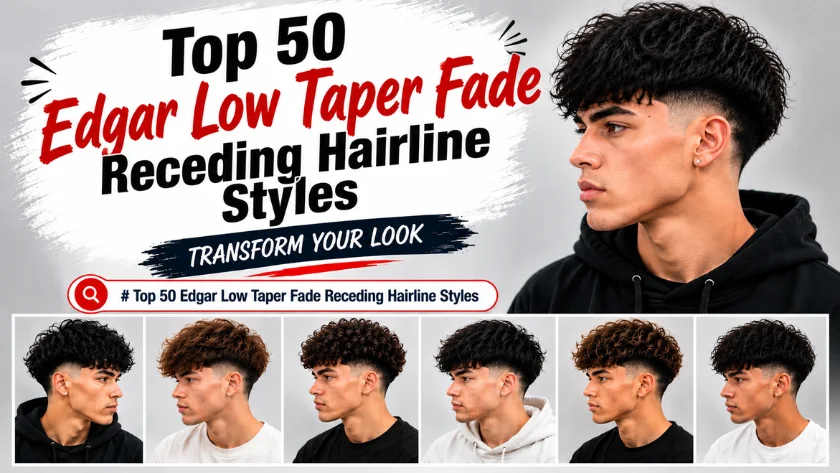
An Edgar low taper fade receding hairline cut is one of the smartest ways to work with thinning edges instead of fighting them. It blends a bold fringe with a subtle fade for natural-looking coverage.
This guide covers 50 style variations, plus styling and maintenance tips. You’ll also get clear answers to the questions men ask most often.
What Is an Edgar Low Taper Fade Receiving Hairline?

The Edgar cut features a blunt, boxy fringe with sharp, defined edges on all sides. Paired with a low fade, the sides blend gradually near the ears instead of high on the head.
This combination works well for aEdgar low taper fade receding hairline because it shifts focus away from the temples. The fringe on top also adds the illusion of fullness near the front hairline.
Low Taper Fade Receding Hairline vs Straight Hair

Straight hair holds the Edgar cut’s crisp lines beautifully, keeping the fringe flat and even. This makes the low taper fade receding hairline style look extra clean along the sides.
Since straight hair lacks natural volume, a light styling product is usually needed. Without it, the top can look flat and expose more of the hairline than intended.
Low Taper Fade Receding Hairline vs Thin Hair

Thin hair benefits most from this pairing, since the low fade removes bulk from the sides. This visually balances a thinner crown or a Edgar low taper fade receding hairline overall.
A slightly longer fringe also helps disguise gaps near the temples. Barbers often texturize the top to avoid a flat, exposed look.
Low Taper Fade Receding Hairline vs Normal Hair

Normal density hair offers the most flexibility with this cut. You can go textured, slicked, or fluffy on top without much trouble.
This hair type is also the easiest to style day-to-day. It holds shape naturally without needing heavy products.
Low Taper vs High Taper for Receding Hairlines

A low taper starts fading near the ear, keeping more length and drawing less attention to the hairline. A high taper starts much higher on the head.
For most men managing hairline recession, the low taper fade receding hairline approach is the safer, more flattering choice. It softens contrast rather than highlighting it.
Low Taper vs Mid Taper for Receding Hairlines

A mid taper fades around temple level, offering sharper definition than a low taper. It still leaves enough length to soften a Edgar low taper fade receding hairline.
Choose mid taper if you want a bit more edge without going too bold. Low taper remains the gentler, more forgiving option.
Low Taper vs High Taper Fade Styles

High taper fades feel bolder and are usually paired with shorter tops. Low taper fades feel more classic and versatile across settings.
If you’re unsure which to pick, a low taper fade receding hairline style is the safer starting point. It works well in both casual and formal environments.
Low Bald Fade vs Taper

A bald fade skins down to the scalp, creating strong contrast near the hairline. A taper never goes fully bald, keeping a soft gradient instead.
For a receding hairline, a taper is generally gentler on the eyes. It avoids the harsh lines a bald fade can create near the face.
50 Edgar Low Taper Fade Receding Hairline {Ultimate Gallery}
Below are 50 style directions built around the Edgar low taper fade receding hairline concept. Each one offers a slightly different way to wear the cut.
Bring any of these to your barber as a reference point. Small adjustments in length and texture can be made to suit your specific hairline.
Low Taper Fade With Textured Top

Choppy, textured layers on top add movement and dimension. They disguise thinning areas better than a flat, smooth finish.
This style pairs especially well with straight or wavy hair. It requires only light product to hold shape through the day.
Low Taper Fade for Receding Hairline With Straight Hair

Straight hair keeps the Edgar Low Taper Fade Receding Hairline style sleek and defined. Clean separation forms naturally between the fade and the top length. It’s a low-effort option for daily styling, with a comb and light pomade usually all that’s needed.
Low Taper Fade for Receding Hairline With Curly Hair

Curly hair adds natural volume on its own. This helps camouflage a receding hairline without much extra styling effort.
Moisturizing products help keep curls defined and frizz-free. This makes the style hold shape longer between washes.
Mid Taper Fade for Receding Hairline

This fade sits slightly higher than the classic low version. It offers a touch more edge while still staying hairline-friendly.
It suits men who want a sharper look without going too dramatic. The fringe on top still softens the overall effect.
French Crop With Low Taper Fade for Receding Hairline

The French crop’s straight-across fringe pairs naturally with a low fade. The result is tidy, structured, and easy to maintain.
This combination suits most face shapes well. It’s also a favorite among men who prefer minimal daily styling.
Buzz Cut With Low Taper Fade for a Receding Hairline

A short, even buzz on top removes the need to style thinning strands altogether. The low fade keeps the sides sharp and defined.
This is one of the lowest-maintenance options on the list. It suits men who want a no-fuss daily routine.
Textured Fringe With Low Taper Fade for a Receding Hairline

A piecey, textured fringe breaks up a straight hairline naturally, making the Edgar Low Taper Fade Receding Hairline look softer and more balanced at the front.
It works especially well for men in early-stage recession, while the texture adds visual interest without requiring extra length.
Textured Crop With Low Taper Fade for a Receding Hairline

Similar to the textured fringe, but slightly longer on top overall. This gives more room to style forward or to the side.
It offers a bit more versatility day to day, while a light cream or paste helps define the texture. This approach also complements the by keeping the front textured and easy to shape.
Crew Cut With Low Taper Fade for a Receding Hairline

A classic, short-on-top crew cut requires almost no daily styling. The low fade adds a clean, sharp finish along the sides.
This is a reliable, professional-looking option. It suits nearly every face shape and hair type.
Edgar Taper Fade for Balding Men Gallery Pick

Shorter length overall paired with heavier blending reduces contrast between density levels. This works well for more advanced hair loss.
It’s a practical, low-maintenance choice. Many men find it easier to manage than longer styles.
Low Taper Fade With Quiff

A brushed-up quiff adds height at the front, making the Edgar Low Taper Fade Receding Hairline look more balanced while drawing the eye upward.
A strong-hold pomade is usually needed to keep the quiff in place, while blow-drying at the roots also helps add lift.
Low Taper Fade Comb Over

A side-swept comb covers the temples effectively. The low fade keeps the sides tidy and understated. This style works well for formal or professional settings and is easy to maintain with a comb and light product. It also gives the Edgar Low Taper Fade Receding Hairline a clean, polished finish.
Low Taper Fade Middle Part

A center part works surprisingly well with a mild recession. It draws the eye toward the middle rather than the edges.
This style has become popular in recent years. It suits straight to slightly wavy hair textures best. The soft middle part also adds a balanced, relaxed finish to the overall look.
Brush Back With Taper Fade and Line Up

Hair is brushed straight back and finished with a crisp line up. This adds sharp definition along the front hairline.
This look is bold and polished. It works best for men comfortable with more exposed forehead styling. A clean finish and controlled shape give this style a sharp, confident appearance.
Low Taper Fade Side Part

A defined side part adds a polished, professional edge to the cut. It pairs well with straight or slightly textured hair.
This style suits office and formal settings especially well. A light-hold product keeps the part crisp all day. The clean parting also gives the overall haircut a neat and structured finish.
Side-Swept Short Hair With a Low Taper

Shorter length swept to one side needs minimal daily styling. It’s ideal for men with busy schedules.
The low taper keeps the sides clean underneath. This creates a balanced, effortless overall look. A light styling cream can add soft texture without making the hair feel heavy.
Spiky Hair With Low Taper Fade

A textured, spiked top adds height and energy to the Edgar Low Taper Fade Receding Hairline style. The fade keeps the sides low-key and clean.
This look suits younger, more casual settings well. A strong matte paste helps hold the spikes upright.
Modern Pompadour With Low Taper Fade

A softened, modern pompadour avoids the stiff, heavily gelled look of older versions. It still adds volume and height at the front.
This style works well for round or square face shapes. It requires a blow-dryer and medium-hold product.
Broccoli Style With Low Taper Fade

Tight curls left longer on top create the trendy “broccoli” texture. It’s paired here with a clean, low fade.
This style has grown popular among curly-haired men. It needs minimal daily effort beyond a light curl cream. The added texture gives the top a fuller, more defined appearance.
Taper Fade With Twisted Locs

For men with locs, a low taper keeps the sides maintained and neat. The locs remain the clear focal point of the style.
This combination balances low-maintenance sides with expressive length on top. It suits most face shapes well.
Top Knot With Low Taper Fade

Longer hair is pulled into a small top knot at the crown. A tidy faded base sits underneath for contrast.
This style works well for men growing out their hair. It keeps things neat while length is still developing.
Low Taper Fade With Fluffy Hair

Soft, rounded volume on top contrasts nicely with the fade’s precision. This creates a relaxed, approachable overall look.
It suits curly and wavy textures especially well. Minimal product is needed to maintain the natural fluff.
Edgar Cut for Thinning Hair Gallery Pick

A slightly longer fringe length adds the appearance of fuller coverage. This is a popular choice among men noticing early recession.
Texturizing helps the style avoid looking flat or sparse. Regular trims keep the shape consistent.
Edgar Cut With Low Fade Gallery Pick

This remains one of the most versatile Edgar Low Taper Fade Receding Hairline styles on the list. It suits nearly every hair type and face shape available.
It balances a bold fringe with a subtle, blended fade. This makes it a safe, reliable choice for most men.
Long Edgar Cut for Thinning Hair Men Gallery Pick

Extra fringe length offers more coverage and styling flexibility. It suits men who prefer a fuller look on top.
This version pairs well with straight or slightly wavy hair. It needs a bit more daily styling effort. A lightweight styling cream can help shape the fringe while keeping the finish natural and flexible throughout the day.
Fluffy Edgar Cut Gallery Pick

A relaxed, textured variation softens the usual boxy Edgar silhouette. It suits casual, everyday settings well.
This style photographs particularly well. It also hides thinning more naturally than sharper cuts.
Edgar Cut With Mid Fade Gallery Pick

A slightly bolder sideline pairing suits men wanting more contrast. It still keeps the signature fringe intact.
This version works well for shorter to moderate recession. It’s sharper but still fairly low-maintenance.
Edgar Cut With Fade Gallery Pick

An open-ended option adapts to whichever fade height suits your face shape best. It offers flexibility across styling sessions.
Barbers can adjust the fade height gradually over time. This makes it easy to test different looks.
Low Taper Fade With Line Up

A sharp, defined line along the front hairline adds structure. This creates a fresh, barbershop-finished look.
This detail works well with most other styles on this list. It’s often added as a finishing touch. It gives the overall haircut a cleaner and more polished appearance without changing the main style.
Brush Back With Taper Fade

Similar to the earlier brush back style, but without the added line up. This creates a softer, more relaxed look.
It suits men who prefer subtlety over sharp definition. A light-hold product keeps hair in place. The natural finish also makes this style easy to wear for both casual and everyday settings.
Mid Taper Fade

A standalone mid fade balances subtlety and sharpness well. It suits a wide range of hair types and lengths.
This fade height works for both casual and formal settings. It’s a safe middle-ground choice. The clean transition keeps the overall haircut structured without making the fade too noticeable.
High Taper Fade

Bolder and more dramatic, this fade suits men with minimal hairline recession. It creates a strong contrast near the temples.
This style may not be ideal for a more advanced recession. It draws more attention to the hairline area. For a sharper finish, the top can be styled with light texture and controlled volume.
Bald Taper Fade

This fade goes down to the skin, creating maximum contrast. It results in a very clean, sharp finish overall.
This option suits men comfortable with a bold look. The Edgar Low Taper Fade Receding Hairline can also be adapted with a skin-close fade for a more defined finish. It requires more frequent maintenance to stay sharp. Regular touch-ups help keep the skin fade crisp and the overall shape well-defined.
Mid Taper Fade for Black Men

This style works especially well with coily or curly textures. It offers strong definition without overwhelming natural volume.
Regular moisturizing helps maintain curl definition. This keeps the style looking fresh between trims. A lightweight curl cream can also enhance texture while keeping the curls soft and defined.
Modern Low Taper Fade

A contemporary take on the classic style features softer blending overall. Contrast lines are less harsh than traditional versions.
This suits men wanting a subtler, more natural transition. It pairs well with most top styles. The softer blend also makes the haircut easy to adapt to different hair textures and everyday styling preferences.
Low Taper Fade With Short Hair

Minimal length all over makes this the lowest-maintenance version. It suits men who prefer quick daily routines.
This style still looks polished with the fade detail. It works well across most hair types. A simple matte product can add a little texture while keeping the short finish neat and natural.
Low Taper Fade With Straight Hair

Clean, flat styling highlights the sharpness of the fade itself. This creates a sleek, defined overall silhouette.
Straight hair holds this look with minimal product. It’s an easy, low-effort daily style. A lightweight styling cream can add subtle control while keeping the straight texture natural and smooth.
Low Taper Fade With Side-Swept Fringe

Fringe is swept diagonally across the forehead. This softens a receding line while adding visual interest.
This style suits men wanting subtle hairline coverage. A light wax helps hold the swept direction. The added texture keeps the fringe looking natural while giving the overall cut a clean, balanced finish.
Slick Back With Low Taper Fade

A polished, gelled-back finish pairs well with formal or professional settings. The low fade keeps the sides clean underneath.
This look works especially well for special occasions. Strong-hold gel is needed to keep hair in place. A small amount of styling cream can be used first to smooth the hair before applying gel for extra hold.
Middle Part With Low Taper Fade

This remains a favorite for redirecting focus away from the hairline’s edges. It suits straight to wavy hair textures.
The style has stayed popular for its balanced, symmetrical look. Light product keeps the part defined. A natural finish helps the middle part look relaxed while keeping the overall shape neat.
Low Taper Fade With Wavy Top

Natural waves add texture and dimension without much extra effort. This creates a relaxed, textured overall finish.
This style suits men with naturally wavy hair best. Minimal product is needed to enhance the waves. A lightweight curl cream can define the natural texture while keeping the finish soft and effortless.
Pompadour With Low Taper Fade

A fuller, more voluminous pompadour adds height and presence. It pairs well with a clean, low-blended fade.
This style suits both casual and formal settings. It requires a blow-dryer and strong-hold product. Blow-drying the roots upward helps create extra lift and keeps the pompadour looking full throughout the day.
Low Taper Fade With Long Fringe

Extra length up front gives maximum coverage over a receding hairline. This suits men wanting a fuller look with more coverage.
This version needs more daily styling time. A texturizing cream helps keep the fringe defined. The added length also gives more flexibility for shaping the front naturally.
Crew Cut With Low Taper Fade

A tidy, all-purpose combination suits almost any lifestyle. It requires minimal daily maintenance overall.
This remains one of the most requested combinations. It works well for both work and casual settings. The clean crew cut keeps the overall style neat while the low taper adds a modern touch.
Low Taper Fade With Short Caesar

The classic Caesar’s forward fringe pairs naturally with a low, subtle fade. This creates a timeless, clean look.
This style suits straight to slightly textured hair. It’s easy to maintain with minimal daily effort. The short forward fringe also gives the haircut a structured and balanced finish.
Buzz Cut With Low Taper Fade Gallery Pick

An ultra-low-maintenance option still looks sharp thanks to the fade detailing. The Edgar Low Taper Fade Receding Hairline can be adapted to a short buzz cut for a clean, low-effort finish.
This style needs almost no daily styling time. Regular trims every few weeks keep it fresh.
French Crop With Low Taper Fade Gallery Pick

A structured, slightly longer top balances neatly with the fade below. This creates a tidy, refined overall look.
This combination suits most face shapes well and remains a popular choice among barbers today. It also works well for a receding hairline by keeping the top textured and naturally positioned.
Low Taper Fade With Ivy League

A preppy, slightly longer crop gives a classic collegiate look. It pairs well with a clean, low-blended fade.
This style suits professional and academic settings especially well. It needs light daily styling to maintain shape.
Low Taper Fade With Caesar Cut

Short, forward-styled fringe combines with clean fade blending
underneath. This creates a simple, timeless silhouette.
This style suits nearly all hair types. It remains low-maintenance between barbershop visits.
Low Taper Fade With Faux Hawk

A more daring option is styled with height through the center. This creates a bold, eye-catching silhouette overall.
This style suits confident, fashion-forward men. A strong-hold product is needed to maintain the shape.
Edgar Low Taper Fade Receding Hairline Tutorial
Getting this cut right starts with clear communication at the barbershop. Bring a reference photo showing exactly where you want the fade to start.
Ask your barber to leave extra length near the hairline if recession is a concern. This gives more room to disguise thinning as your hair grows.
Step 1: Consultation & Hair Analysis – First, discuss hair loss and receded corners (receding hairline) with the client to see where the hair is thinning.
Step 2: Hair Wash – Wash the hair before starting the haircut so the natural texture and movement are clearly visible.
Step 3: Cutting the Fringe First – Cut the front messy wavy fringe first to use as a guideline to maintain thickness.
Step 4: Keeping Corners Covered – Keep a little length near the receding corners so they can be easily covered while reducing weight.
Step 5: Reducing Bulk at the Back & Sides – Remove extra weight/bulk from the crown area and the back for a modern textured look.
Step 6: Giving a Taper Fade – Give a clean taper fade on the sides and back starting from behind the fringe.
Step 7: Removing Unnecessary Weight – Instead of keeping it too long, remove unnecessary weight around the sides and crown to keep the hair neat.
Step 8: Applying Sea Salt Spray – Apply a little salt spray to the hair before styling to provide hold and volume so the hair does not fly away.
Step 9: Styling and Texturizing – Use hands or products to scrunch the top and fringe to create a textured and natural messy look.
Step 10: Final Finish & Product Advice – After the haircut is complete, do proper styling and recommend sulfate/paraben-free products or treatments to slow down hair loss.
Edgar Haircut for Receding Hairline
The Edgar haircut for a receding hairline works by shifting visual focus to the blunt fringe. This draws attention away from the hairline’s edges.
Barbers customize fringe length based on how much recession is present. This makes the Edgar low taper fade receding hairline style highly adaptable to different stages of hair loss.
Edgar Cut for Thinning Hair
For thinning hair, barbers usually keep slightly more length on top. This adds the appearance of density across the crown.
Texturizing scissors are commonly used to avoid a flat, overly blunt look. A flat cut can expose thinning patches more than a textured one.
Edgar cut for thinning hair men
Men with thinning hair often request a soft, rounded fringe edge instead of a razor-sharp line. This keeps the style looking natural rather than overly done.
A rounded edge also blends better as hair grows out between cuts. It reduces the harsh look of regrowth near the hairline.
Styling Tip: For an Edgar cut with thinning hair, ask for a soft, rounded fringe instead of a sharp, straight edge. This creates a more natural finish and helps the haircut look smoother as it grows out between trims.
Edgar cut for thinning hair with straight hair
Straight hair pairs well with this version since it lies flat naturally. This lets the fringe sit evenly across the forehead with little effort.
It also means less daily styling time is needed. A quick brush-through is often enough to maintain the shape.
Long Edgar Cut for Thinning Hair Men
A longer fringe on an Edgar cut gives more coverage over the front hairline. It’s a popular pick for men in the early stages of recession.
The extra length also allows more styling versatility. You can sweep it, add texture, or keep it forward depending on the day.
Fluffy Edgar Cut
The fluffy Edgar cut softens the usual sharp lines with added volume and texture. It’s a relaxed middle ground between classic Edgar and casual styles.
This version photographs well and suits curly or wavy textures especially. It also hides thinning patches more naturally than a flat cut.
Edgar Cut With Low Fade
This is the signature Edgar low taper fade receding hairline combination: a blunt fringe with a fade starting low near the ears. It’s one of the most requested barbershop styles right now.
It stays clean and low-maintenance between visits. The low fade also keeps the overall look understated and versatile.
Edgar Cut With Mid Fade
This version adds more contrast on the sides while keeping the fringe intact on top. It’s sharper than the low fade but still fairly adaptable.
Men who want a slightly bolder look often choose this option. It works well for shorter hairline recession too.
Styling Tip: For an Edgar cut with a mid fade, keep the fringe defined while adding a clean contrast around the sides. This creates a sharper finish and works well when you want a bolder, structured look.
Edgar Cut With Fade
A general fade pairing offers flexibility in fade height. You can go low, mid, or high depending on face shape and preference.
This flexibility makes it easy to adjust the look season to season. Barbers can raise or lower the fade line without changing the fringe.
Edgar Taper Fade for Balding Men
For more advanced hair loss, the top is often shortened and blended more heavily. This reduces the visual contrast between hair and scalp.
A shorter overall length also requires less daily maintenance. It’s a practical choice for men managing significant thinning.
How to Style a Low Taper Fade for a Receding Hairline
Styling an Edgar low taper fade receding hairline cut is simpler than it looks once you learn the basics. A consistent routine makes daily styling much faster.
The steps below cover everything from washing to final touch-ups. Following them helps the style hold shape longer between trims.
Wash and Prep Your Hair
Start with clean, towel-dried hair before applying any product. Excess oil or buildup can flatten your Edgar Low Taper Fade Receding Hairline style before you even begin.
Pat hair dry rather than rubbing vigorously. This helps preserve natural texture for styling.
Apply a Lightweight Styling Product
A light pomade or texturizing cream works best for most styles. Heavy waxes can look greasy and draw more attention to a thinning hairline.
pply product to damp hair for even distribution. Avoid overloading the roots near the front hairline.
Blow-Dry for Natural Volume
Blow-dry at the roots while brushing forward for added lift. This creates the illusion of fullness near the front hairline.
Use a round brush for extra volume if needed. Finish with cool air to help set the shape.
Styling Tip: Blow-dry the roots while brushing the hair forward to create natural volume around the front. A round brush can add extra lift, while a short burst of cool air helps set the shape.
Low Taper Fade Styling Tips
Avoid pulling hair too tightly off the face when styling. This can expose more of the hairline than intended.
Softer, looser styling usually looks more natural overall. This approach also works well with the Edgar Low Taper Fade Receding Hairline by keeping the front relaxed and balanced.
How to Maintain a Low Taper Fade
Regular trims every three to four weeks keep the fade crisp and defined. This also prevents the blend from growing out unevenly.
Touching up the neckline at home can extend time between visits. However, the fade blend itself is best left to a barber.
Edgar Haircut for Balding: Styling Tips for a Clean Look
Styling an Edgar Haircut for Balding areas when dealing with thinning hair or a receding hairline requires a gentle approach. Start by working with damp, towel-dried hair and apply a small amount of lightweight styling cream or matte pomade.
Avoid heavy waxes or greasy gels, as they can weigh hair down and make thinning spots more visible. Use your fingers or a wide-tooth comb to gently direct the hair forward into the signature blunt fringe while keeping the sides clean and textured for a natural, fuller appearance.
How to Choose the Right Haircut for a Receding Hairline
Not every version of the Edgar low taper fade receding hairline style suits every man equally. A few key factors make the decision much easier.
Considering hair type, face shape, and hairline stage together gives the most accurate result. This helps avoid picking a style that won’t hold up well.
By Hair Type
Straight hair suits sleeker, flatter Edgar styles best. Curly or coily hair suits fluffier, more textured versions instead.
Matching the style to your natural texture reduces daily styling effort. It also helps the cut look more natural overall.
By Face Shape
Round faces benefit from added height on top of the style. Longer faces often look best with flatter, wider styling instead.
Discussing face shape with your barber helps fine-tune proportions. This ensures the cut flatters your features specifically.
By Hair Length
Shorter hair generally means lower daily maintenance overall. Longer hair on top offers more coverage and styling options instead.
Your lifestyle and available styling time should guide this choice. The Edgar Low Taper Fade Receding Hairline can be adapted to different lengths depending on the coverage and styling flexibility you prefer. Busier schedules often suit shorter lengths better.
By Hair Texture
Fine textures need lightweight products to avoid looking greasy. Thicker textures can handle heavier creams or pomades without issue.
Using the wrong product weight can ruin an otherwise good cut. Always match product strength to your hair’s natural thickness.
By Hairline Stage
Early-stage recession allows more flexibility in styling choices. Advanced recession usually looks best with shorter, cleaner styling overall.
Your barber can recommend adjustments as recession progresses. Revisiting the style periodically keeps it looking its best.
Edgar Low Taper Fade Receding Hairline Maintenance
Consistent upkeep is what keeps this style looking sharp rather than overgrown. Skipping regular trims can quickly undo the cut’s clean appearance.
The sections below cover maintenance tips across different hair types. Following them helps extend the life of each haircut.
Low Taper Fade for Men

Most men find that a maintenance cut every three weeks keeps the fade looking fresh. Waiting longer can cause the blend to grow out unevenly.
Setting a recurring barbershop appointment helps maintain consistency. This also builds a good relationship with your barber over time.
Low Taper Fade for Straight Hair

Straight hair shows growth around the fade line faster than some other textures. Slightly more frequent trims may be needed as a result. Regular touch-ups help keep the Edgar Low Taper Fade Receding Hairline looking clean and well-blended.
Regular brushing also helps keep straight hair looking neat between cuts. This prevents flyaways near the fade line.
Low Taper Fade at Home

Touch-ups with clippers at home can extend time between barbershop visits. However, the fade blend itself is harder to replicate without practice.
Beginners should stick to simple neckline cleanups only. Leave the actual fade blending to a professional barber.
How Often to Maintain a Low Taper Fade

Every three to four weeks is the general rule for most men. Finer hair types may need trims slightly sooner than this.
Setting reminders helps avoid letting the style grow out too far. Consistent timing keeps the overall look sharp year-round.
Low Taper Fade for Curly Hair

Curly hair hides growth better between cuts than straight hair does. This allows slightly longer gaps between barbershop visits.
Moisturizing regularly helps prevent frizz from disrupting the shape. This keeps curls looking defined between trims.
Fully Bald Look

For men who prefer to go fully bald, this removes the need to style around the hairline. It pairs naturally with a very low or skin fade.
This option requires frequent touch-ups to stay smooth. Many men shave at home between barbershop visits. The clean, minimal finish can also make the overall look feel sharp and intentional.
Short Textured Crop

A low-maintenance option that still offers texture and movement on top. It suits men wanting a quick daily routine.
Minimal product is needed to maintain the textured look. Regular trims keep the shape from growing out unevenly.
Slicked Back Undercut

A sharper, more formal variation works well for professional settings. It pairs a strong side or back sweep with a clean fade.
Strong-hold gel or pomade is needed to keep hair in place. This style photographs particularly well for formal occasions.
Maintaining a Crew Cut

Crew cuts hold their shape longer between trims than most other styles. This makes them ideal for busy schedules.
A quick comb-through is usually all that’s needed daily. This style rarely requires heavy styling products.
Low Taper Fade Receding Hairline Maintenance for Curly Hair

Moisturizing products help keep curls defined and frizz-free throughout the week. This prevents the shape from looking messy between washes.
Deep conditioning treatments occasionally help maintain overall curl health. Healthy curls hold the Edgar low taper fade receding hairline shape better.
How to Choose the Right Haircut for a Receding Hairline
Not every version of the Edgar low taper fade receding hairline style suits every man equally. A few key factors make the decision much easier.
Considering hair type, face shape, and hairline stage together gives the most accurate result. This helps avoid picking a style that won’t hold up well.
By Hair Type
Straight hair suits sleeker, flatter Edgar styles best. Curly or coily hair suits fluffier, more textured versions instead.
Matching the style to your natural texture reduces daily styling effort. It also helps the cut look more natural overall.
By Face Shape
Round faces benefit from added height on top of the style. Longer faces often look best with flatter, wider styling instead.
Discussing face shape with your barber helps fine-tune proportions. This ensures the cut flatters your features specifically.
By Hair Length
Shorter hair generally means lower daily maintenance overall. Longer hair on top offers more coverage and styling options instead.
Your lifestyle and available styling time should guide this choice. The Edgar Low Taper Fade Receding Hairline can be adapted to different lengths depending on the coverage and styling flexibility you prefer. Busier schedules often suit shorter lengths better.
By Hair Texture
Fine textures need lightweight products to avoid looking greasy. Thicker textures can handle heavier creams or pomades without issue.
Using the wrong product weight can ruin an otherwise good cut. Always match product strength to your hair’s natural thickness.
By Hairline Stage
Early-stage recession allows more flexibility in styling choices. Advanced recession usually looks best with shorter, cleaner styling overall.
Your barber can recommend adjustments as recession progresses. Revisiting the style periodically keeps it looking its best.
Edgar Low Taper Fade Receding Hairline FAQs
The Edgar Low Taper Fade Receding Hairline style combines a clean low taper with the signature Edgar shape and textured top. It can be adapted to different hair lengths and textures, while the taper keeps the sides and neckline neat.
In this FAQ section, we’ll cover common questions about styling, maintenance, and choosing the right version of this haircut.
Edgar Low Fade vs. Low Taper Fade
An Edgar low fade refers specifically to the blunt fringe paired with a low fade. A low taper fade can apply to almost any haircut on top.
Understanding this difference helps when communicating with your barber. It ensures you get the exact combination you’re picturing.
Which Style Fits Balding Men?
Shorter, more blended styles like the buzz cut or Caesar variation typically work best. These reduce contrast between hair and scalp.
Heavier blending also helps minimize visible patches. A skilled barber can adjust length gradually as needed.
Does a low taper fade work with a receding hairline?
Yes, it’s actually one of the most flattering options available. It draws attention away from the temples effectively.
This is why the Edgar low taper fade receding hairline combination has become so popular. It balances style with practicality.
Can a haircut stop or reverse a hairline from receding?
No haircut can stop or reverse hair loss on its own. Styling can only change how noticeable the recession appears.
For actual hair loss treatment, consulting a dermatologist is recommended. Haircuts are a cosmetic solution, not a medical one.
What top hairstyles pair best with this cut?
Textured crops, quiffs, and fluffy tops tend to pair best for disguising thinning areas. They add volume where it’s needed most.
Your barber can recommend specific top styles based on your hair type. Trying a few options helps find the best fit.
How often do you need maintenance?
Most men schedule a trim every three to four weeks to keep the fade sharp. Waiting longer can cause uneven growth.
Setting a recurring appointment helps maintain consistency long-term. This keeps the style looking fresh year-round.
Can an Edgar cut hide a receding hairline?
To some degree, yes, since the blunt fringe shifts focus away from the edges. It won’t hide recession completely, though.
Combining it with the right fade height maximizes the effect. This is where the low taper fade receding hairline pairing shines.
Why are high fades bad for a receding hairline?
High fades create more contrast near the temples than lower fades do. This can make hairline recession appear more pronounced.
A low fade avoids this issue by starting further down. This keeps attention away from the thinning areas.
How do you style a fluffy Edgar with thinning hair?
Use a lightweight volumizing product to avoid weighing hair down. Blow-dry upward at the roots for natural lift.
Avoid heavy waxes that can flatten the fluffy texture. Light products maintain volume throughout the day.
Does a haircut stop hair loss?
No, hair loss is driven by genetics and biological factors, not haircuts. Styling choices only affect appearance, not the underlying cause.
Medical treatments exist for those seeking to slow hair loss. A haircut like the Edgar low taper fade receding hairline style is a cosmetic fix only.
Final Verdict: Edgar Low Taper Fade Receding Hairline
The Edgar low taper fade receding hairline cut proves that thinning edges don’t limit your style options. The right fringe length, fade height, and texture adapt to nearly any hair type.
Whether you go textured, slicked, or fluffy on top, working closely with your barber makes all the difference. Regular trims and the right products keep the style looking sharp long-term.

![Top 40 Viral Edgar Haircut Memes of All Time [Internet Classics]](https://edgarhaircutstyle.com/wp-content/uploads/2026/07/Top-40-Viral-Edgar-Haircut-Memes-of-All-Time-Internet-Classics-768x432.webp)


![39 Fluffy Edgar Haircut to Totally Transform Your Look [Trending Cuts]](https://edgarhaircutstyle.com/wp-content/uploads/2026/07/39-Fluffy-Edgar-Haircut-to-Totally-Transform-Your-Look-Trending-Cuts-768x432.webp)